The allure of high-stakes gambling
The world of high-stakes gambling captivates individuals for a myriad of psychological and emotional reasons. The adrenaline rush associated with wagering large sums of money can be exhilarating, igniting a sense of thrill and excitement that is hard to resist. Many are drawn to the notion of winning big, as the prospect of substantial monetary rewards evokes feelings of hope and aspiration. For some, this website serves as a high-pressure environment that allows them to indulge in a fantasy where fortunes can transform in an instant. The simultaneous fear and excitement of risk creates a compelling atmosphere that beckons players to dive deeper into the experience.
The social aspect of high-stakes gambling also plays a significant role in its allure. Exclusive casinos and high-stakes tables create unique social settings where individuals can connect and compete. The camaraderie among players who share similar interests enhances the thrill of the experience, fostering a sense of community that can be intoxicating. This collective energy, combined with the stakes at hand, can create an environment filled with suspense and excitement, drawing individuals into a shared experience that is both thrilling and addictive. The social interactions amplify the emotional highs and lows, making the experience even more captivating.
Moreover, the psychology of risk-taking is fundamental to understanding the allure of high-stakes gambling. Many individuals possess an inherent tendency to seek out experiences fraught with uncertainty and risk. The thrill derived from placing a significant bet often overshadows the potential negative consequences that may arise. This behavior can be explained through the lens of loss aversion, where the desire to avoid losses propels individuals to take risks that promise substantial rewards. The delicate balance between risk and reward is not merely a financial calculation but a deeply ingrained psychological phenomenon that shapes the high-stakes gambling experience.
Cognitive biases and decision-making
Cognitive biases play a critical role in shaping decision-making within the realm of high-stakes gambling. One prevalent bias is the illusion of control, where gamblers develop a belief that they can influence the outcomes of uncertain events. This is particularly evident in games of chance, such as dice or roulette, where players may create strategies they feel can sway the odds in their favor. Unfortunately, this illusion often leads to overconfidence, prompting players to make increasingly reckless decisions fueled by a false sense of mastery over the game. This misguided belief can result in significant financial losses as players chase the thrill of winning.
Confirmation bias is another cognitive distortion that heavily influences gambling behavior. Gamblers tend to focus on information that reinforces their beliefs, often ignoring evidence that contradicts their narratives. For instance, a player may vividly recall their wins while conveniently overlooking their losses. This skewed perception fosters a distorted sense of luck, encouraging continuous participation in high-stakes gambling despite accumulating losses. The phenomenon is particularly pronounced among frequent gamblers, who develop a dangerous cycle of behavior fueled by past successes that they erroneously believe will guarantee future wins.
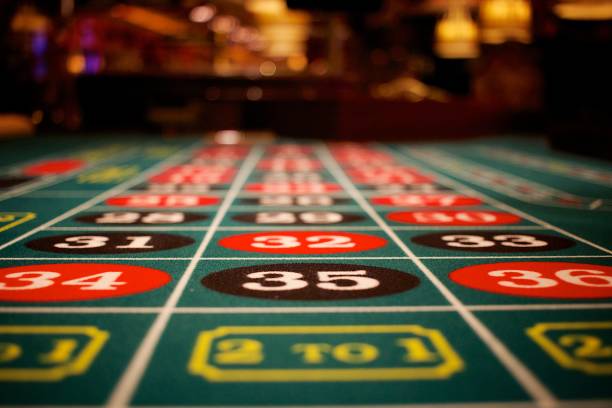
Additionally, the gambler’s fallacy significantly impacts decision-making in high-stakes gambling. Gamblers often mistakenly believe that past outcomes influence future results in random games. For example, a player might assume that a particular number is “due” to come up after not appearing for several rounds, despite the independence of each spin. This irrational thinking can lead to heightened emotions and impulsive betting, further complicating the psychological landscape of high-stakes gambling. Such cognitive biases not only affect individual players but also contribute to the broader dynamics of gambling behavior within social contexts.
The role of emotion in gambling behavior
Emotion is a pivotal factor in shaping gambling behavior, especially in high-stakes scenarios. The highs and lows experienced during gambling create an emotional rollercoaster that can be compellingly addictive. Winning can evoke euphoric feelings, while losing may trigger frustration and despair, prompting players to chase their losses in hopes of recapturing those positive emotions. This volatility can entrap individuals in their emotional responses, intensifying their desire to gamble despite the inherent risks involved. Understanding this emotional cycle is crucial for recognizing the potential pitfalls of high-stakes gambling.
Moreover, excitement and anxiety frequently coexist in high-stakes gambling environments. Players often experience heightened arousal levels that trigger both anticipation and fear of loss. Physiological responses, such as increased heart rates and adrenaline release, can create a euphoric state reminiscent of extreme sports or thrilling experiences. This state of arousal can overpower rational decision-making, leading to impulsive bets and behaviors that players might otherwise avoid. The emotional stakes in high-stakes gambling are not just about money; they encompass profound psychological experiences that can have lasting effects on individuals.
Additionally, the social dynamics within gambling environments further amplify emotional experiences. The presence of other players, who may be cheering or lamenting their wins and losses, can significantly influence individual perceptions and reactions. This collective emotional engagement can escalate personal responses, creating an atmosphere where the stakes feel even higher. As emotions run rampant, they can cloud judgment, making it increasingly challenging for gamblers to make rational decisions about their betting behavior. The intricate interplay of emotion and social influence shapes the high-stakes gambling experience in profound ways.
The impact of addiction and behavioral patterns
High-stakes gambling can lead to severe addiction issues, as many individuals find it increasingly difficult to walk away after a significant loss or a string of wins. This addiction is often characterized by compulsive behavior, where individuals feel an irresistible urge to gamble despite the negative consequences that may arise in their personal, social, or financial lives. The thrill associated with high-stakes gambling can overshadow relationships and responsibilities, making it increasingly challenging for individuals to regain control over their impulses. The psychological grip of addiction can be as strong as that of substance abuse, necessitating a serious understanding of its impacts.

The development of problematic gambling behavior can often be traced back to underlying psychological issues, such as anxiety or depression. Individuals with these conditions may inadvertently turn to gambling as a coping mechanism, seeking an escape from emotional pain or life stressors. However, this can lead to a vicious cycle where their gambling habits exacerbate their mental health issues, creating further instability and distress. The interplay between gambling addiction and mental health is complex, requiring comprehensive treatment approaches that address both the addiction and the underlying psychological factors.
Treatment for gambling addiction frequently includes cognitive-behavioral therapy (CBT) and support groups. These therapeutic approaches focus on restructuring thought patterns associated with gambling behavior, fostering self-awareness, and helping individuals develop healthier coping mechanisms. Recognizing emotional triggers that lead to gambling is crucial in breaking the cycle of addiction and reclaiming control over one’s life. Support networks and education about the psychological aspects of gambling can empower individuals to make informed choices and seek help when needed.
Understanding the gambling industry and its motivations
The gambling industry is a multifaceted ecosystem driven by the intricate psychology of its participants. Understanding this dynamic is essential for grasping the motivations behind high-stakes gambling. Operators and casinos leverage psychological principles to create environments that encourage gameplay, including designing enticing layouts, offering complimentary services, and implementing reward systems that keep players engaged. These tactics are meticulously crafted to appeal to the psychological needs of gamblers, creating an atmosphere where they feel compelled to continue betting. This strategic design plays a significant role in the industry’s success.
Moreover, marketing strategies employed by the gambling industry often target individuals based on their psychological profiles. By promoting the allure of luxury, excitement, and the potential for life-changing wins, the industry capitalizes on innate human desires. Advertising campaigns craft narratives that glorify gambling, frequently downplaying the inherent risks and emphasizing the potential for euphoric experiences. This targeted approach can entice individuals into high-stakes gambling, often without a full understanding of the psychological and financial ramifications. The industry’s ability to tap into these psychological drivers is a testament to its understanding of human behavior.
In conclusion, the gambling industry thrives on the psychological nuances of its participants. The interplay between risk, reward, emotion, and cognitive bias creates a complex landscape where individuals can be both drawn in and potentially trapped. As the industry continues to evolve with technology and sophisticated marketing strategies, understanding these psychological factors becomes increasingly important for both players and policymakers. By navigating the challenges posed by gambling’s impact on society, we can foster a more informed public and promote healthier gambling practices.